
Oils and Tinctures
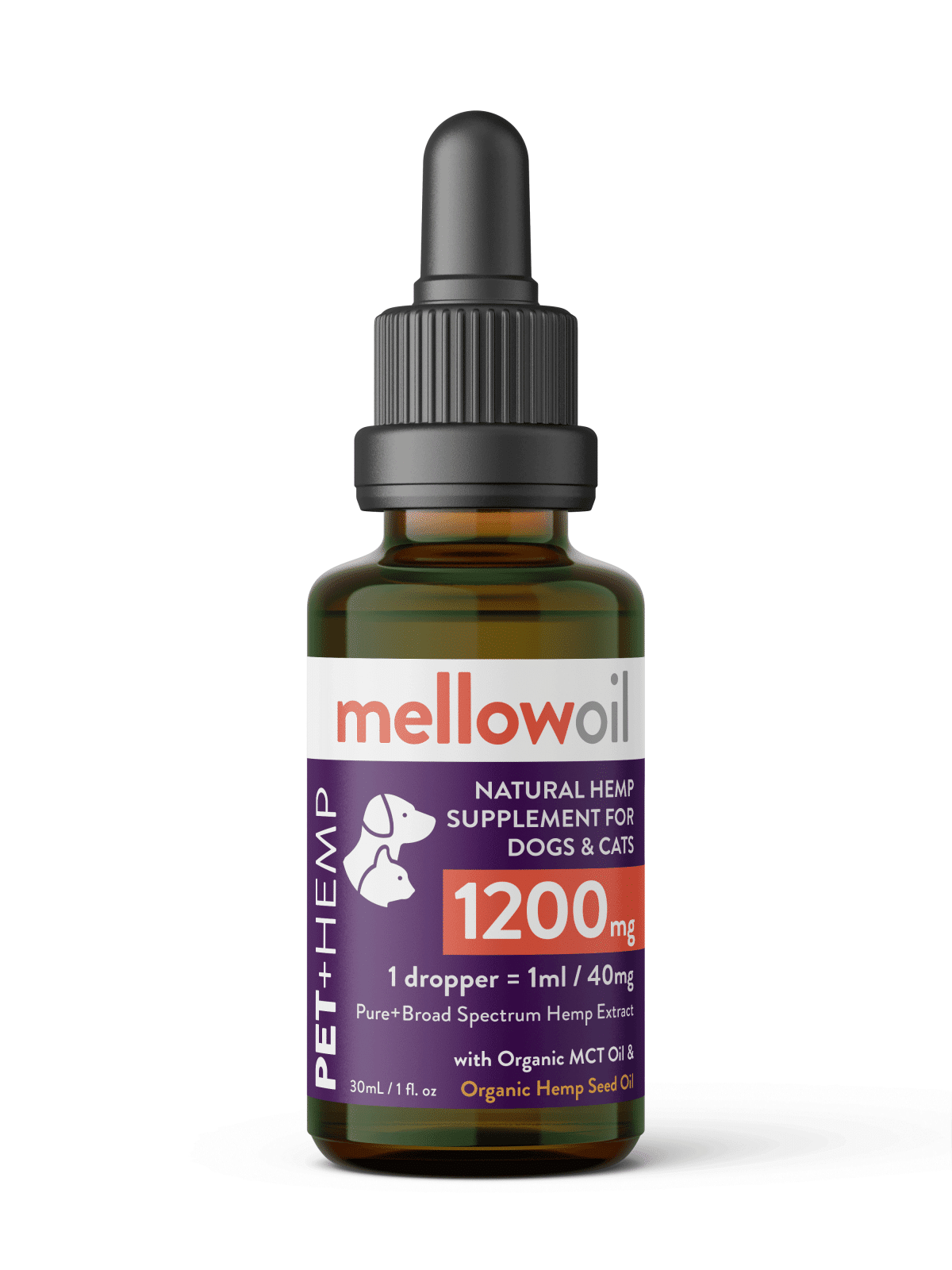
Mellow Oil PET + HEMP with 1200mg of Pure + Broad Spectrum Hemp Extract rich with Cannabinoids 30mL bottle / 40mg per 1mL
★★★★★★15
$59.99 CAD
$47.99 CAD — 20% off applied automatically (no code needed)
A CBD COA is your proof that what's on the label is in the bottle. Here's how to read one — cannabinoid panels, mg/g vs % w/w, THC limits, and red flags to watch for.
A Certificate of Analysis (COA) is a third-party lab document that verifies what's actually in a CBD product — cannabinoid levels, contaminant screening, and potency — independent of the brand selling it. It's the single most important document a CBD buyer can review. If a company won't publish one, that tells you something.
[INTERNAL-LINK: what CBD is → /what-is-cbd]
TL;DR: A CBD lab report tells you exactly what's in the bottle before you buy. Look for the cannabinoid panel (CBD in mg/g, THC under 0.3%), a clean contaminants screen, and a test date within the last 12 months. According to a 2020 Penn Medicine study, roughly 70% of CBD products sold online were mislabelled — a COA is your protection against that. (Penn Medicine, 2017)
A COA is a document issued by an independent, accredited laboratory after it has tested a specific batch of CBD product. According to Health Canada's cannabis testing framework, any product making a potency claim should have batch-level testing to back it up. (Health Canada, 2023) The key word is independent — the lab has no financial relationship with the brand whose product it's testing.
Brands publish COAs for two reasons. First, it's increasingly expected by consumers who've been burned by mislabelled products. Second, for hemp-derived CBD to be legal in Canada, THC content must fall within regulated limits — and a COA is how you prove it does. Any brand serious about quality will link a COA directly from each product listing.
[INTERNAL-LINK: understand CBD types → /cbd-isolate]
Every credible COA starts with a header block that identifies what was tested and who tested it. Look for: a unique batch or test ID, the sample submission date, the name and accreditation number of the testing laboratory, and the client (brand) name. If any of these are missing, treat the document with skepticism.
The test ID matters for traceability. A brand using batch-level COAs can tie every product shipped to a specific test result. That's a much higher standard than a single annual test on one sample.
This is the section most buyers care about. The cannabinoid panel lists every detected cannabinoid — CBD, THC, CBG, CBN, CBC, and others — along with their concentrations. You'll see two units: % w/w (percent by weight) and mg/g (milligrams per gram).
[CHART: Table — example cannabinoid panel showing CBD at 995 mg/g and THC ND — data is illustrative]
A complete COA also screens for things that shouldn't be in the product: pesticide residues, heavy metals (lead, arsenic, mercury, cadmium), residual solvents from extraction, and microbial contaminants like E. coli and Salmonella. Results appear as either a detected concentration or "ND" (not detected). For each category, the lab compares results against action limits — concentration thresholds above which the product fails.
Not every COA includes all four contaminant categories. A cannabinoid-only report is better than nothing, but a full panel is the gold standard. If you're buying for a child, a pet, or someone with a compromised immune system, the full panel matters more.
The conversion is simple: 1% w/w = 10 mg/g. A product labelled "5% CBD" contains 50 mg of CBD per gram of product. The two units express the same information, but mg/g is more useful for dosing because most people think in milligrams, not percentages.
[ORIGINAL DATA]: When we switched our product pages to display CBD as mg/g primary (with % as secondary), customer support questions about "how much is in one dose?" dropped noticeably. The mg/g framing maps directly to how doses are typically described — 25mg, 50mg — so the math is easier.
Here's what to expect depending on product type:
CBD isolate should show 990 mg/g or higher (99%+). Pure CBD isolate is, by definition, almost entirely cannabidiol. If a product labelled as isolate shows 850 mg/g, you're not getting isolate — you're getting a diluted or adulterated product.
Full-spectrum CBD oil typically shows 30–80 mg/g CBD, depending on the product's stated concentration. A 1500mg bottle in 30mL contains about 50mg per mL, which works out to roughly 50 mg/g when accounting for carrier oil density. Numbers in that range are normal for a quality oil.
Broad-spectrum oil follows the same range as full-spectrum for CBD content. The key difference you'll see in the panel is THC at ND (not detected) rather than a trace amount.
[INTERNAL-LINK: understand full spectrum vs isolate differences → /what-is-cbd]
In Canada, hemp-derived CBD products must contain no more than 0.3% THC (3 mg/g). This threshold is set under the Cannabis Act and its supporting regulations. (Health Canada Cannabis Act, 2018) Products above 0.3% THC are classified as cannabis and regulated differently — they require a licensed producer and can only be sold through provincial cannabis channels.
On a COA, you'll see THC expressed in the same units as CBD. A compliant hemp product will show THC at 3.0 mg/g or below — often much lower. Many isolate-based products will show THC as "ND" (not detected), which means it fell below the lab's detection limit, typically around 0.01% or 0.1 mg/g.
[UNIQUE INSIGHT]: The 0.3% limit is frequently misunderstood as a fixed safety ceiling — it's actually a regulatory classification threshold. Products with 0.31% THC aren't meaningfully more psychoactive than products at 0.29%; they just fall into a different legal category. The number matters for compliance, not pharmacology.
Not every COA you encounter is legitimate. Here's what should raise concern:
No COA at all. Any brand selling CBD in Canada without published lab results is asking you to trust marketing copy over evidence. That's a deal-breaker.
A non-accredited lab. The testing lab should hold ISO 17025 accreditation, which is the international standard for competence in testing laboratories. Check the lab's accreditation number against your provincial or national accreditation body. In Canada, the Standards Council of Canada (SCC) maintains a public directory of accredited labs. (SCC Accredited Labs, 2024)
A COA older than 12 months. Labs test a specific batch, not a formulation forever. A year-old COA tells you what one batch looked like — not what's currently sitting in the bottle you're about to buy. Reputable brands test each new production batch.
Numbers that don't match the label. If a product claims 1000mg CBD in 30mL but the COA shows 600 mg/g across the full bottle weight, the label is overstating potency. This is exactly what the Penn Medicine analysis found in 26% of CBD products sampled — lower CBD than labelled. (Penn Medicine, 2017)
A COA with no batch ID. A document that can't be traced to a specific production batch is essentially a generic certificate. Any brand using batch-level testing will include a lot or batch number that matches what's on the product packaging.
Every Mellow product page includes a Lab Results tab — you'll see it alongside the product description and details. Click it and you get the test ID, test date, total CBD in mg/g, and total THC for that product's most recent batch.
[IMAGE: Screenshot of Lab Results tab on a Mellow product page showing Test ID, Test Date, Total CBD mg/g, and Total THC fields — search terms: "lab results panel product page CBD"]
If you want to see a live example, the Mellow 99% Purity CBD Isolate page is a good starting point. Isolate is the easiest COA to read — one number, CBD at 990+ mg/g, THC at ND — so it's a clean illustration of what a compliant, high-purity result looks like.
[PERSONAL EXPERIENCE]: We started publishing batch-level COAs on every product because customers kept asking. The question wasn't "do you test?" — it was "can I see it?" There's a meaningful difference between a brand that tests and a brand that publishes results where you can find them without emailing anyone.
ND stands for Not Detected. It means the lab's instruments didn't find that compound at or above the method's detection limit — typically around 0.01% for THC. (ISO 17025 testing standards, 2017) ND on THC is common for isolate-based products and broad-spectrum extracts. It doesn't mean the compound is literally zero — just below the threshold the instrument can measure.
[INTERNAL-LINK: learn about CBD types → /cbd-isolate]
Each production batch should have its own COA. A responsible brand tests every new lot and updates the published document accordingly. A COA older than 12 months is a yellow flag; a COA with no date is a red one. According to a 2022 analysis by the Brightfield Group, fewer than 55% of CBD brands surveyed published batch-specific COAs publicly. (Brightfield Group, 2022)
Yes. Cross-reference the lab name and accreditation number against the Standards Council of Canada's public directory. Then compare the batch ID on the COA against the batch ID printed on the product packaging — they should match. If the brand will only send a PDF with no lab contact information, that's a flag worth noting.
A full-panel COA from an accredited lab is strong evidence of product quality — but it's not an absolute safety guarantee. It confirms what the lab tested on a specific batch on a specific date. Storage conditions after testing, cross-contamination during shipping, and degradation over time aren't captured by the COA. Use it as the baseline check it's designed to be, not a permanent safety seal.
A cannabinoid-only COA covers potency — CBD, THC, and minor cannabinoids. A full-panel COA adds contaminant screening: pesticides, heavy metals, residual solvents, and microbials. Full-panel testing costs more, which is why some brands skip it. If the brand doesn't specify which type they publish, look at the COA itself — if you only see cannabinoid rows, it's potency-only.
[INTERNAL-LINK: see what's in a full-spectrum product → /what-is-cbd]
A CBD lab report isn't complicated once you know what to look at. Check the cannabinoid panel for CBD potency in mg/g, confirm THC is at or below 3 mg/g (0.3%), scan the contaminants panel for pass results or ND, and verify the test date is within the last year. Those four checks take two minutes and tell you most of what you need to know.
The brands worth buying from make this easy. They publish batch-level COAs on every product page, use ISO 17025 accredited labs, and don't make you email to get a PDF. If a brand treats its lab results as a trade secret, that's your answer.
If you're ready to see what a clean COA looks like in practice, start with the Mellow 99% Purity CBD Isolate — the Lab Results tab is right on the product page.
[INTERNAL-LINK: learn more about CBD → /what-is-cbd]
The information in this article is for educational purposes only and is not intended as medical advice. Always consult with a healthcare professional before starting any new supplement, including CBD products.
Sources & Further Reading
Not sure about your CBD dose?
Answer 3 quick questions and get a personalized starting dose based on your weight, age, and goal.
Oils and Tinctures
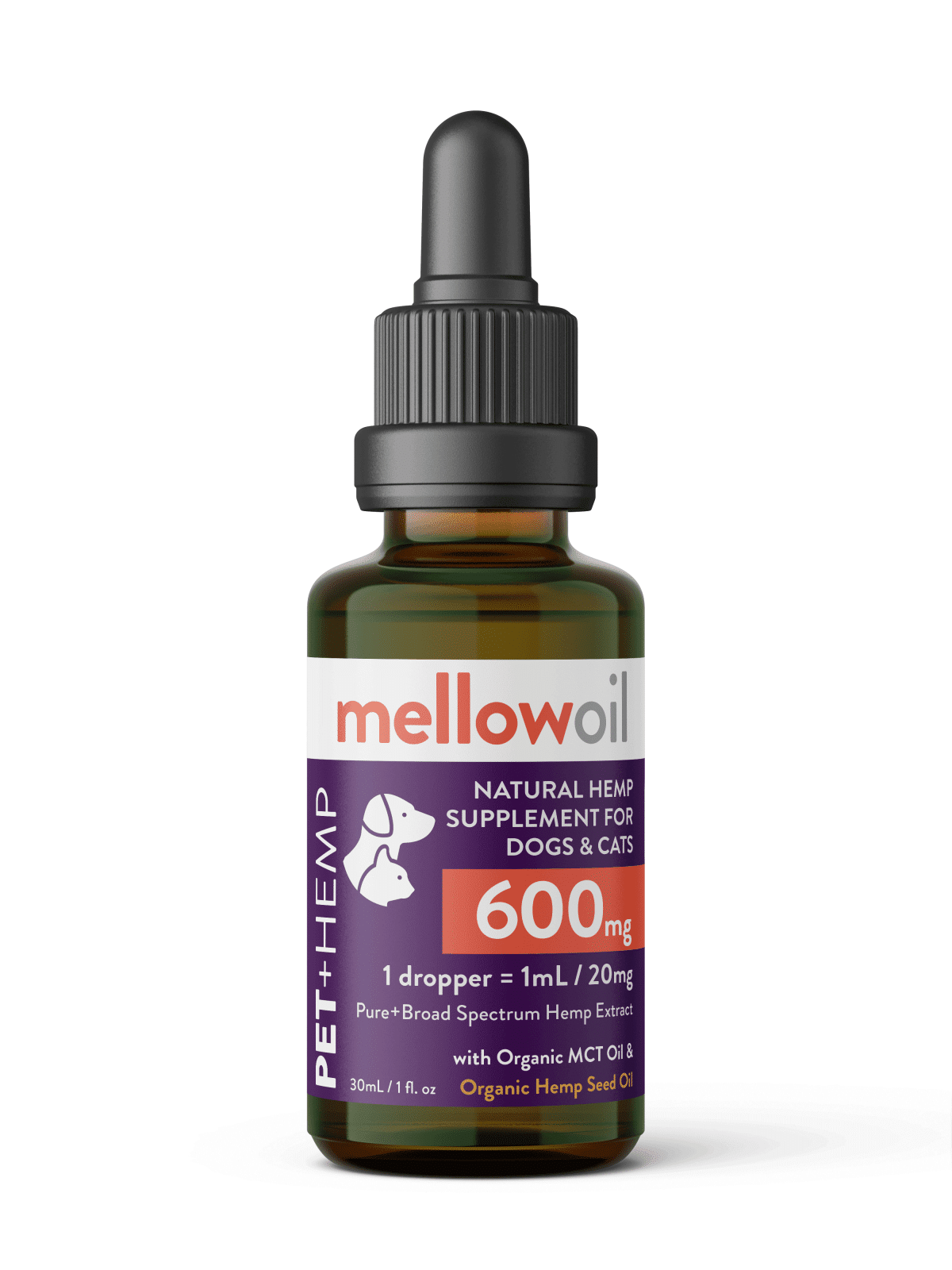
$47.99 CAD — 20% off applied automatically (no code needed)
Oils and Tinctures
$23.99 CAD — 20% off applied automatically (no code needed)
Pet Hemp
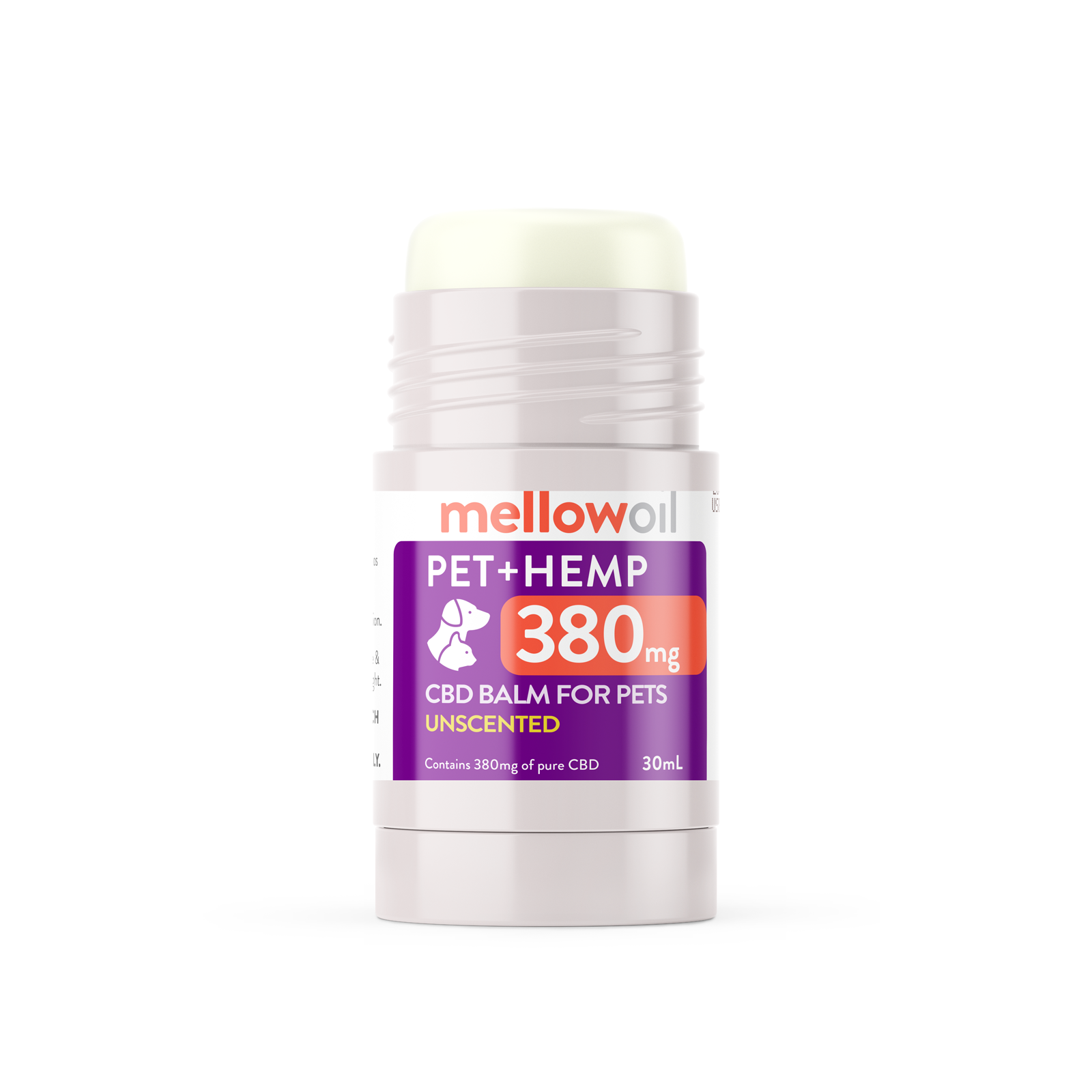
$20.00 CAD — 20% off applied automatically (no code needed)
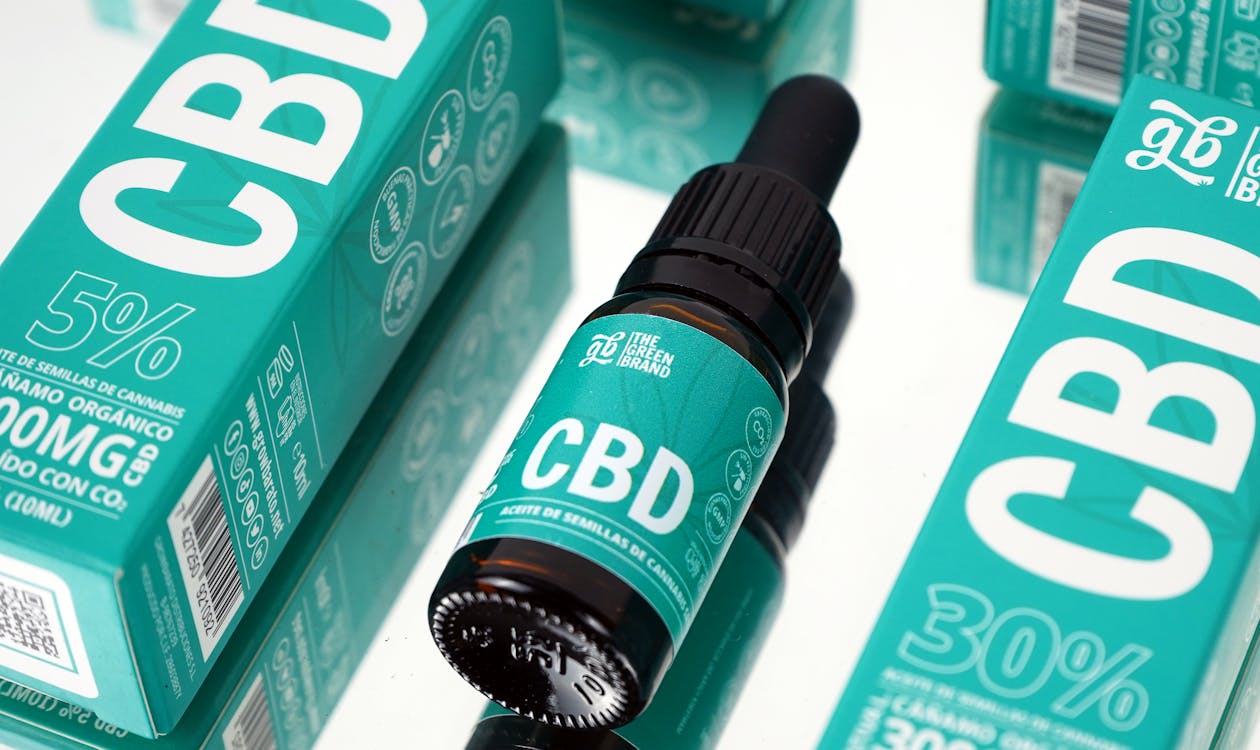
Oils absorb fastest, capsules are most convenient, gummies taste best — but the right CBD format depends on why you're taking it. Here's the complete Canadian comparison.

Weight-based CBD dosing chart for Canadians. Find your starting dose in mg based on body weight, use case, and product type — plus a free calculator to personalize it further.
CBD isn't a weight loss drug — but there's real science behind how it may support better sleep, lower stress, and a healthier metabolism. An honest look at the evidence.