
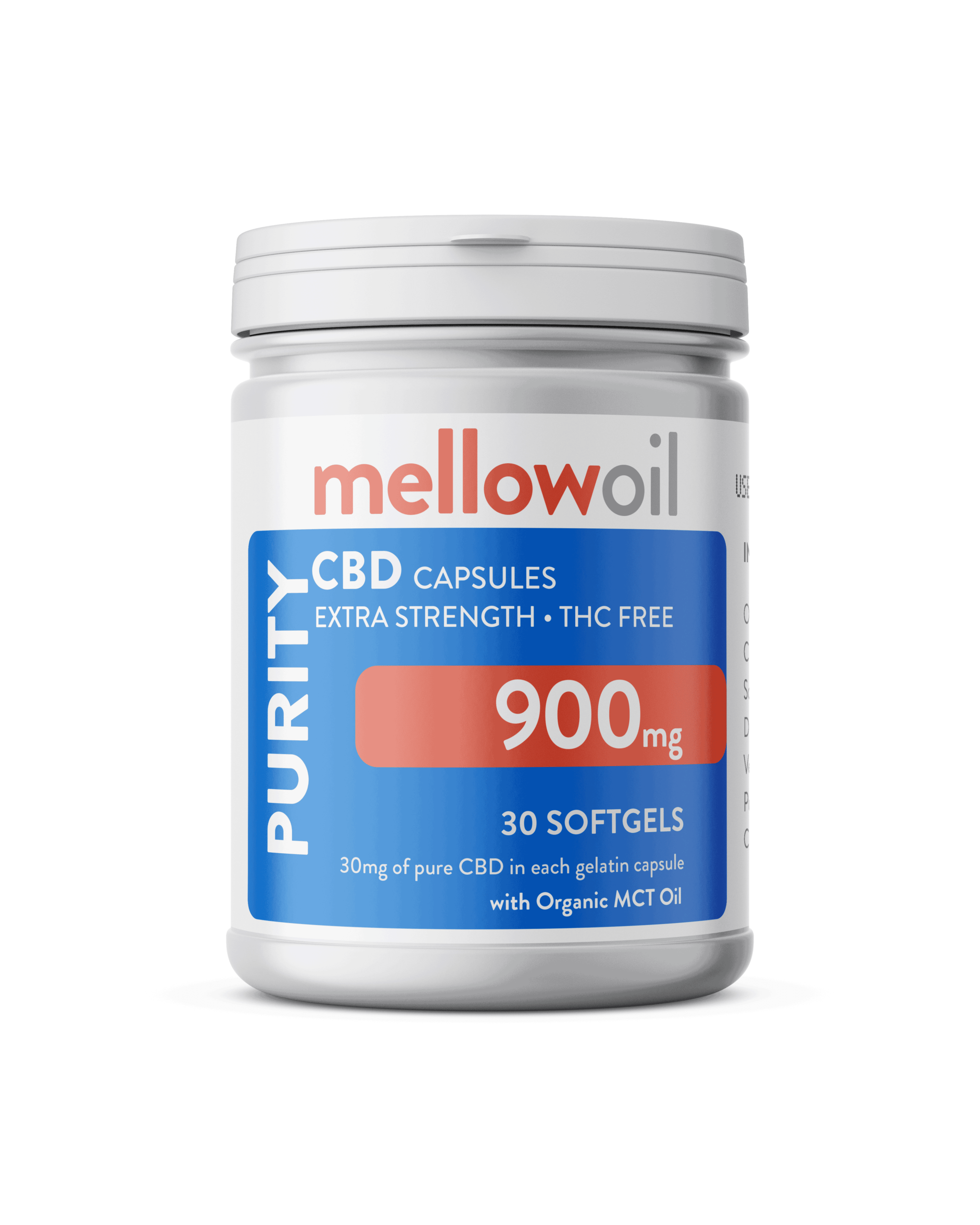
Capsules
Mellow Oil Purity 30mg CBD Softgel Capsules with 900mg Cannabidiol – 30 per bottle
★★★★★★32
$40.00 CAD
$32.00 CAD — 20% off applied automatically (no code needed)
Oils absorb fastest, capsules are most convenient, gummies taste best — but the right CBD format depends on why you're taking it. Here's the complete Canadian comparison.
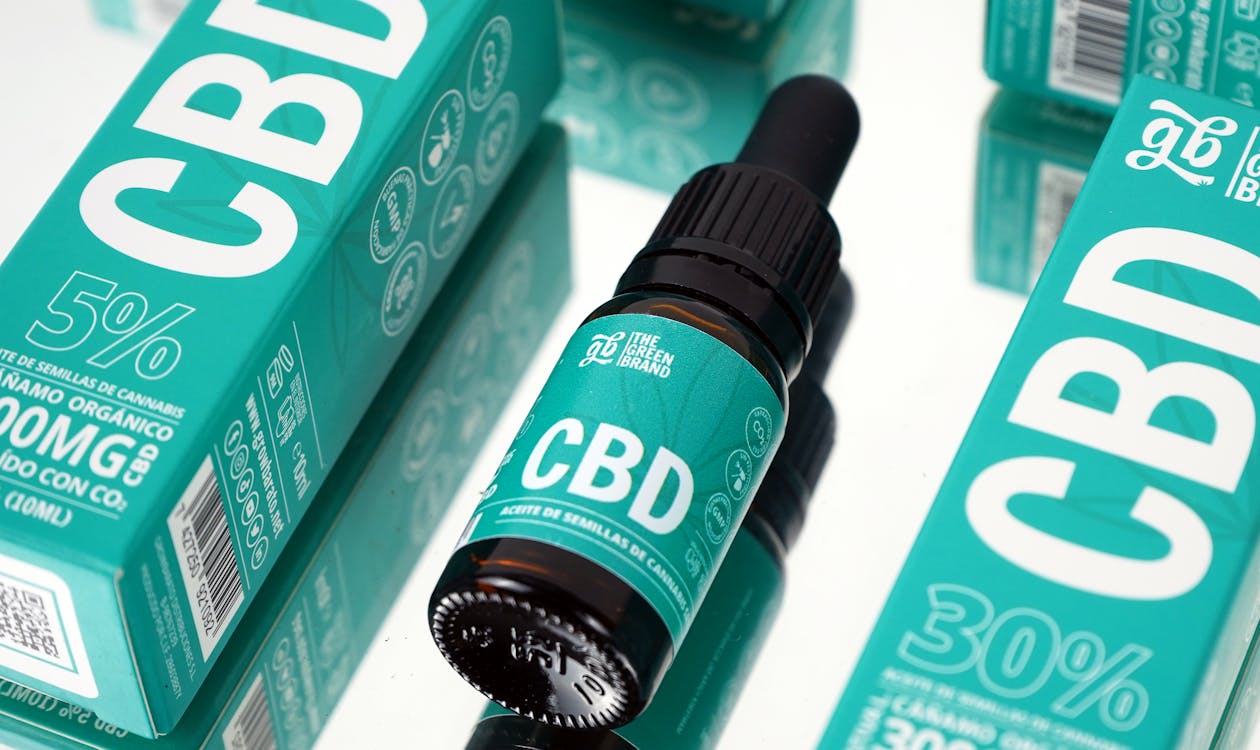
CBD oil absorbs fastest and gives you the most control over your dose. Capsules and gummies take longer to kick in but last longer and travel well. If you're prioritizing speed and precision, choose oil. If you want convenience or don't enjoy the taste of hemp, capsules or gummies are the better fit.
TL;DR: For the fastest effect, sublingual oil wins — onset in 15–45 minutes vs. 45–90 minutes for capsules and gummies. But capsules and gummies deliver effects that last 6–8 hours compared to 4–6 hours for oil. The right format depends on your goal, lifestyle, and how much dosing flexibility you need. (Millar et al., Frontiers in Pharmacology, 2020)
[INTERNAL-LINK: beginner's guide to CBD → /beginners-guide]
CBD reaches your bloodstream through three primary routes in Canada: sublingual absorption (oils and tinctures), oral ingestion via capsules, and oral ingestion via edibles like gummies. Each format starts from the same raw material — hemp-derived cannabidiol — but the delivery method changes how quickly it works and how long it stays active. Understanding that difference is the core of making a smart choice.
CBD oil is a liquid extract dispensed by a dropper. You hold it under your tongue for 60–90 seconds before swallowing. That brief pause lets the cannabidiol absorb through the sublingual mucosa — the thin tissue under your tongue — directly into the bloodstream, bypassing the digestive system. The result is a faster onset and higher bioavailability compared to swallowed formats.
Our Purity CBD oil line comes in multiple concentrations, so you can dial in your exact milligram dose rather than being locked into a fixed amount per serving. That flexibility is a real advantage when you're still finding your optimal dose.
[INTERNAL-LINK: oil potency comparison → /compare-cbd-oils]
CBD capsules are pre-measured softgels or hard-shell capsules filled with CBD oil or powder. You swallow them like any supplement. There's no hemp taste, no dropper, nothing to measure. The capsule dissolves in your stomach and the CBD enters the bloodstream through the intestinal wall — a process that takes longer than sublingual absorption but produces effects that typically last longer.
Capsules are the format most people reach for when they want CBD to fit invisibly into a daily supplement routine.
CBD gummies work through the same digestive pathway as capsules — they're an edible, not a sublingual product — but the experience is entirely different. They taste good, feel like a treat rather than a supplement, and come with a fixed dose per piece. The tradeoff is the same one that applies to capsules: slower onset, no dose flexibility mid-serving, and bioavailability that's somewhat lower than sublingual oil.
[IMAGE: Side-by-side flat lay of a dropper bottle, two softgel capsules, and two gummies on a white surface — search terms: CBD oil dropper capsules gummies product flat lay]
Sublingual CBD oil typically produces noticeable effects within 15–45 minutes, making it the fastest of the three formats. A 2020 review in Frontiers in Pharmacology found that sublingual bioavailability for CBD ranges from approximately 13–19%, compared to 6–19% for oral capsules depending on whether they're taken with food (Millar et al., 2020).
Onset comparison at a glance:
| Format | Onset | Duration | Bioavailability (est.) |
|---|---|---|---|
| CBD oil (sublingual) | 15–45 min | 4–6 hours | ~13–19% |
| CBD capsules | 45–90 min | 6–8 hours | ~6–19% |
| CBD gummies | 45–90 min | 6–8 hours | ~6–19% |
The slower onset for capsules and gummies is a predictable result of digestion. Your stomach acid breaks down the capsule shell or gummy matrix, then the CBD moves through intestinal absorption — a multi-step process. This is worth knowing if you're planning around a specific window: taking a gummy 30 minutes before bed might not be timed as well as you'd expect.
[CHART: Grouped bar chart — onset time vs. duration by format — data from Millar et al. 2020, Frontiers in Pharmacology]
Bioavailability describes what percentage of a dose reaches your bloodstream unchanged. For CBD, sublingual delivery is meaningfully more efficient than swallowing — though the real-world difference is often smaller than the percentages suggest. If a 25 mg gummy delivers 15% bioavailability, you're getting roughly 3.75 mg of active CBD to your blood. A 25 mg sublingual dose at 18% delivers about 4.5 mg. That's a modest gap per dose, but it compounds across weeks of daily use.
[ORIGINAL DATA] Across our customer feedback over two years, we've consistently heard one pattern: customers who switch from capsules to oil for sleep often report noticing effects sooner, but those who prefer consistency through the night often switch back. The data on duration lines up with that experience — capsules and gummies do tend to sustain effects longer.
The more practical implication: taking capsules or gummies with a fatty meal improves oral bioavailability significantly. CBD is fat-soluble. A 2019 study found that administering CBD with a high-fat meal increased peak plasma concentration by 14-fold compared to a fasted state (Birnbaum et al., Epilepsia, 2019). If you're taking gummies or capsules, don't take them on an empty stomach.
Oil is the clear winner for precision dosing. A dropper lets you add or subtract fractions of a millilitre at any time. If your usual 25 mg isn't enough on a high-stress day, you can add 5–10 mg immediately. Capsules and gummies are fixed — 25 mg is 25 mg, and you can't split a softgel easily.
[PERSONAL EXPERIENCE] We've found that customers new to CBD often benefit most from starting with oil specifically because dose adjustments are frictionless. When you're still calibrating — moving from 10 mg to 15 mg to 20 mg over several weeks — the ability to change your dose without cracking open a new pack matters.
Once someone has found their stable daily dose, the convenience argument for capsules or gummies becomes much stronger. There's no longer a reason to fiddle with the dropper. That's typically the point we see customers shift formats.
Use our CBD dosage calculator if you're still working out where to start.
[INTERNAL-LINK: dosing by weight guide → /blog/cbd-dosage-by-weight-canada]
CBD oil is the right format if speed of onset matters, if you're still dialling in your dose, or if you want the highest bioavailability per milligram. It's also the most versatile — you can adjust the dose in real time, add it to food or a drink if you'd rather not take it sublingually, and choose from the widest range of concentrations.
The one genuine drawback is taste. Hemp oil has a distinct earthy, grassy flavour that most people get used to but some never enjoy. Flavoured oils help, but they don't eliminate it.
Best fit for oil:
[INTERNAL-LINK: Purity CBD oil lineup → /compare-cbd-oils]
Capsules are the right format for a CBD routine that runs in the background. There's no taste, no preparation, no measurement. You take them with your morning supplements and forget about it. That reliability is exactly what many people need for consistent daily use.
The tradeoff is that you're locked into whatever dose per capsule the product ships with. If you need 35 mg, but capsules come in 25 mg and 50 mg, your options are limited. And if you're hoping to feel effects quickly — before a presentation, say, or right before bed — capsules' 45–90 minute onset window is a real constraint.
Best fit for capsules:
Browse our capsules line for available strengths.
Gummies are built for people who want a CBD product that feels enjoyable rather than medicinal. They work identically to capsules from a pharmacokinetic standpoint — same onset, same duration, similar bioavailability — but the experience is completely different. A gummy is a treat. That psychological dimension is real: if taking CBD feels pleasant, you're more likely to stay consistent.
The fixed-dose limitation applies here too. And gummies tend to carry a slight premium over capsules at equivalent CBD content. But for anyone who's abandoned CBD in the past because they couldn't stomach the taste of oil, gummies often solve that problem entirely.
Best fit for gummies:
Explore our gummies lineup for current options.
[IMAGE: Person picking up a single CBD gummy from a small dish beside a glass of water — search terms: person taking CBD gummy supplement wellness]
| Goal | Best Format | Why |
|---|---|---|
| Fastest possible onset | CBD oil (sublingual) | Absorbs through mucosa, not digestive tract |
| Sleep — staying asleep | Capsules or gummies | 6–8 hr duration covers most of the night |
| Precise dose adjustment | CBD oil | Dropper allows real-time micro-adjustment |
| Travel and portability | Capsules or gummies | Pre-measured, no liquids concern, no spills |
| Pure CBD, no carrier oil | CBD isolate powder | Flavourless, 99%+ CBD, versatile |
| Avoiding hemp taste | Capsules or gummies | No hemp flavour |
| Cost per mg of CBD | Oil or isolate | Generally most efficient |
[INTERNAL-LINK: CBD isolate guide → /cbd-isolate]
Yes, and it's more common than you might expect. Some customers use oil sublingually in the morning for quicker onset and switch to a capsule or gummy at night for sustained overnight support. Others add CBD isolate powder to coffee or smoothies as a midday top-up that doesn't require another dropper of oil.
There's no pharmacological reason not to combine formats. The only thing to track is your total daily CBD intake across all formats, so you're not accidentally doubling your dose without realizing it. Keep a simple tally for the first week or two.
[UNIQUE INSIGHT] The real variable most comparisons miss is schedule fit. The "best" format is the one you'll actually take consistently at the right time. A high-bioavailability oil you forget to take beats a gummy every time if the gummy becomes a daily habit. Fit the format to your routine, not the other way around.
Health Canada regulates hemp-derived CBD products under the Cannabis Act. All compliant CBD products sold in Canada must be produced by a licensed processor and meet strict purity and labelling standards. Regardless of the format you choose — oil, capsule, or gummy — the product should carry a clear labelling of CBD content in milligrams and a licensed producer's information.
When comparing formats across brands, the most important comparison is milligrams of CBD per serving and per dollar, not the format itself. A well-formulated capsule from a licensed source outperforms a poorly labelled gummy every time. (Health Canada — Cannabis Regulations)
Choose oil if you want the fastest onset and the most dosing control. Choose capsules if convenience and taste-neutrality matter more than speed. Choose gummies if you want something that feels like a treat and still delivers reliable daily CBD. All three formats are legitimate — the right one depends entirely on what you're trying to accomplish and what you'll actually stick with.
If you're genuinely unsure where to start, oil is the most informative first step: you can adjust the dose in real time, learn your response quickly, and then decide whether capsules or gummies make more sense once you've found your stable amount. Use our CBD calculator to get a suggested starting dose based on your weight and goals.
[INTERNAL-LINK: beginner's guide to CBD → /beginners-guide]
Medical disclaimer: This article is for educational purposes and does not constitute medical advice. Consult a healthcare provider before starting CBD, especially if you take prescription medications or have an underlying health condition.
The information in this article is for educational purposes only and is not intended as medical advice. Always consult with a healthcare professional before starting any new supplement, including CBD products.
Sources & Further Reading
Not sure about your CBD dose?
Answer 3 quick questions and get a personalized starting dose based on your weight, age, and goal.
Capsules
$32.00 CAD — 20% off applied automatically (no code needed)
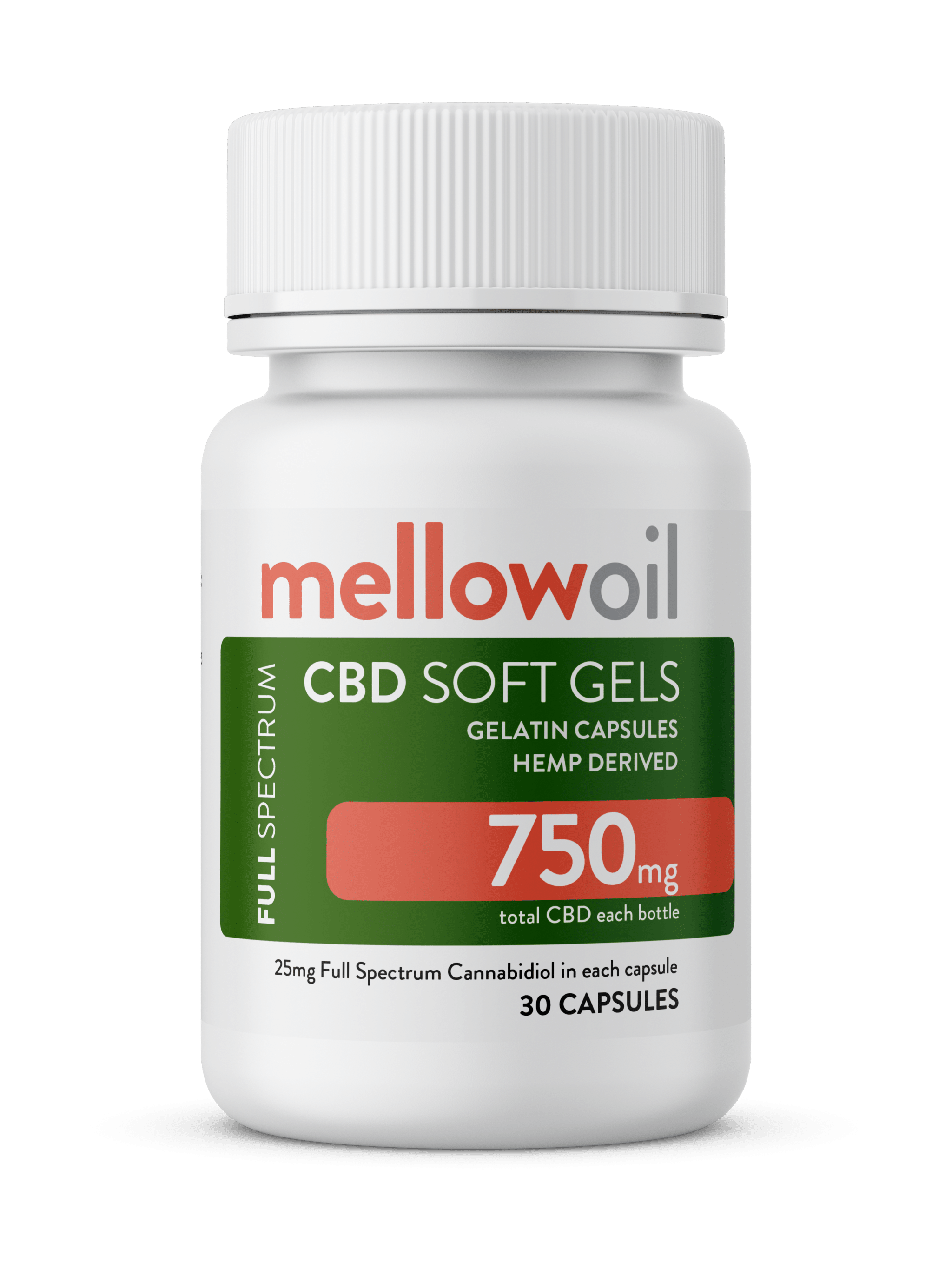
Capsules
$38.40 CAD — 20% off applied automatically (no code needed)
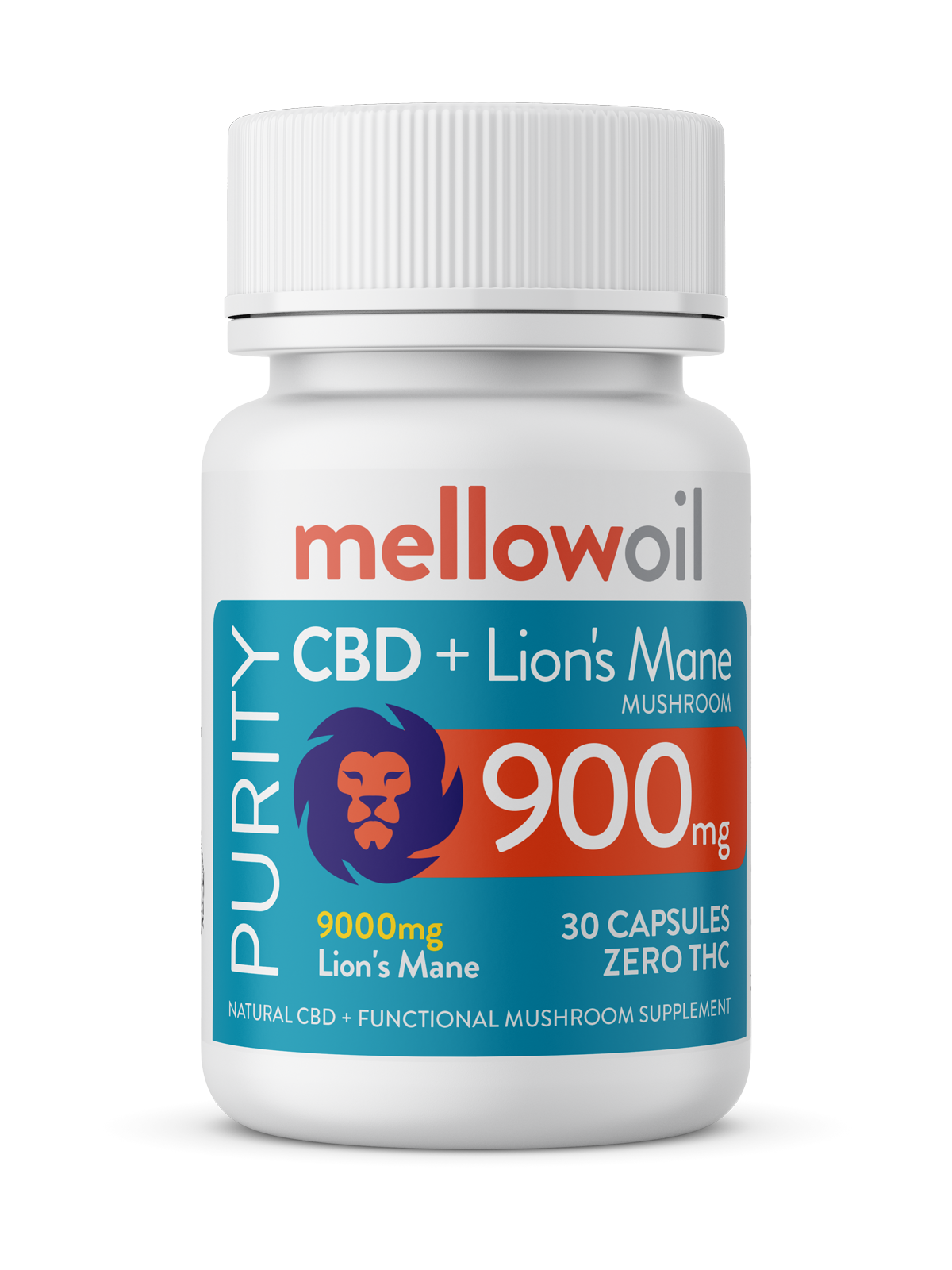
Capsules
$24.00 CAD — 20% off applied automatically (no code needed)

A CBD COA is your proof that what's on the label is in the bottle. Here's how to read one — cannabinoid panels, mg/g vs % w/w, THC limits, and red flags to watch for.

Weight-based CBD dosing chart for Canadians. Find your starting dose in mg based on body weight, use case, and product type — plus a free calculator to personalize it further.

CBD isn't a weight loss drug — but there's real science behind how it may support better sleep, lower stress, and a healthier metabolism. An honest look at the evidence.